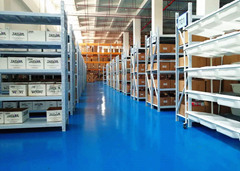
With the rapid development of e-commerce and logistics technology, traditional warehousing and logistics methods are no longer suitable for today's business environment.Cloud warehouseAs a new logistics model based on cloud computing technology, it has become a powerful solution for many companies to avoid small-scale inventory problems and improve operational efficiency. Single warehouse, multi-warehouse and national warehouse are three common forms in the fulfillment warehouse logistics model. They each have their own advantages and disadvantages in specific practice. You can choose according to different actual needs. Baoshi Fulfillment will explain it to you below!
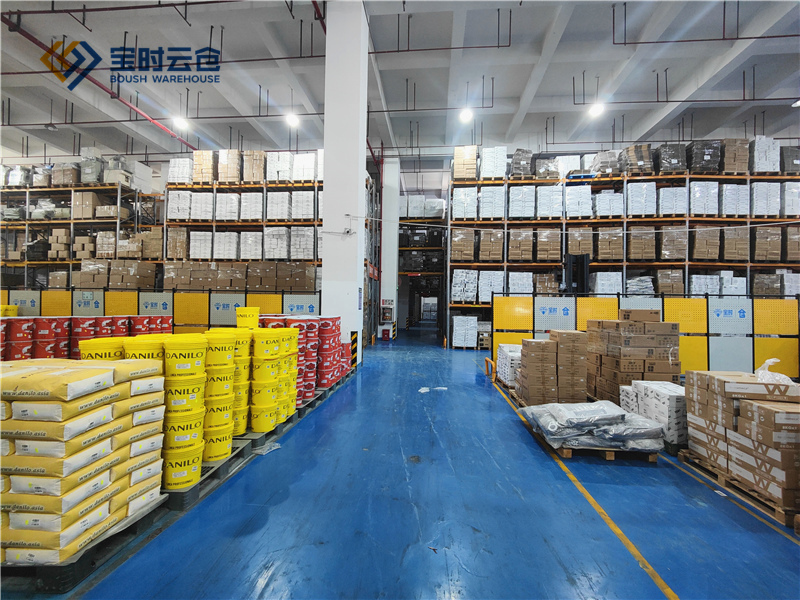
Cloud warehouse: advantages, disadvantages and applicable scenarios of single warehouse, multiple warehouses and national warehouses
1. Cloud warehouse single warehouse
Single warehouse refers to a form in which an enterprise establishes only one warehouse to complete all logistics and warehousing work. In layman's terms, it means to store goods centrally in one place. This model is suitable for small-scale enterprises with small supply volumes, especially those that are just starting up or smaller in scale. The main advantages of a single warehouse are that it is easy to operate and saves costs. Enterprises can effectively control inventory. Through big data analysis and other technologies, they can better manage their own warehouses, thereby reducing the risks of warehouse management. At the same time, because the supply volume is relatively small, it is easy to meet the actual needs of enterprises for logistics.
However, single warehouse also has some obvious shortcomings. Since there is only one warehouse, when the supply of goods increases or the scale becomes larger, it is easy to be full and difficult to meet the actual needs of enterprises for logistics. In addition, the warehousing process will be affected by many constraints, such as geographical location. If a natural disaster or social incident occurs in the area, warehousing and distribution will be difficult to execute. At the same time, the operation model of a single warehouse is very centralized. If something happens, it will directly affect the normal operation of the entire warehousing system.
2. Long warehouse in fulfillment warehouse
Multi-warehouse refers to an enterprise establishing different fulfillment warehouses in different regions to realize warehousing and distribution functions, and unified management through logistics management software. The advantage of multiple warehouses is that it can realize distributed processing of the entire logistics process for enterprises, thereby improving the timeliness and efficiency of enterprise logistics services. Enterprises can open new warehouses in different periods and regions according to the specific conditions of the supply of goods, so that they can better meet market demand and adapt to various customer needs. At the same time, each warehouse has independent production and sales support, which can effectively control inventory and save logistics costs.
The main disadvantage of multi-warehouse is that the operation is more complicated and requires a lot of technical support and investment. Since a larger number of warehouses will lead to more regions and cities involved in the company's operations, the expenses required for this model may be higher. At the same time, each warehouse must ensure a certain supply of goods, otherwise this will become a waste of resources between warehouses.
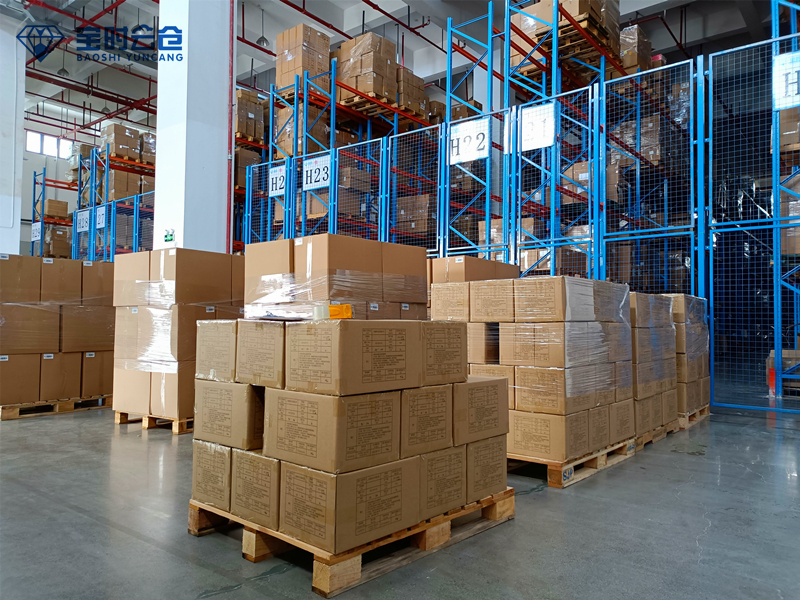
Three.Cloud warehouseNational warehouse
The national warehouse model refers to enterprises building fulfillment warehouses dispersedly across the country, and conducting network management and deployment through a unified distribution center. The advantage of the national warehouse model is that it can realize centralized management and deployment of supply sources, improve inventory turnover rate, and reduce transportation costs. In addition, based on the characteristics of data sharing and information integration, the national warehouse displays excellent product tracking and forecasting capabilities;
The disadvantage of the national warehouse is that it needs to be involved in multiple cities and regions, and needs to bear higher operating costs and technology development costs.
In summary, single warehouse, multi-warehouse, and national warehouse each have different advantages and disadvantages, so how to choose the appropriate one?Warehousing and logisticsmodel, startups or e-commerce companies need to consider and weigh according to different situations. For start-up enterprises, if the scale is small, a single warehouse is a more suitable choice; for large enterprises, the multi-warehouse or national warehouse model can better adapt to the expansion and operational needs of the enterprise.
For fulfillment warehouse dropshipping, look for Baoshi Fulfillment, one-stop managed warehousing, saving worry and effort!
Baoshi Fulfillment has been focusing on high-quality warehousing and distribution integrated services for 10 years. It has dozens of warehousing and logistics centers across the country. Relying on its strong scientific and technological strength, efficient and precise warehousing and distribution operations, standard and professional operation management, and one-on-one professional services, it has provided integrated services such as warehousing, sorting, distribution, and circulation processing for many well-known corporate brands.
Statement: Any individual or organization shall not reprint or quote large sections of articles to websites or third-party platforms without my consent. Any unauthorized use of articles will be resolved through legal proceedings and other means!