
As a new supply chain management model, fulfillment warehouse's profit model is also constantly changing and upgrading. So, how does Yuncang make money and what does it rely on to make money? Below, Baoshi Fulfillment will give you the answer.
1. Conventional profit model
Currently mostCloud warehouse's conventional profit methods mainly focus on warehousing, operations (such as warehousing, packaging and shipping, etc.) andExpress logistics distributionIn other aspects, like e-commerce merchants who ship their own goods, the order quantity is relatively small, and the express delivery price is relatively high. However, Yuncang integrates all customer resources in the warehouse, negotiates cooperation with express logistics companies, and purchases packaging consumables in large quantities through an intensive operation model. While providing low cost to e-commerce sellers, it can also earn the intermediate price difference. In addition, some fulfillment warehouses will also provide value-added service fees such as product quality inspection, return processing, payment collection, supply chain finance, etc.
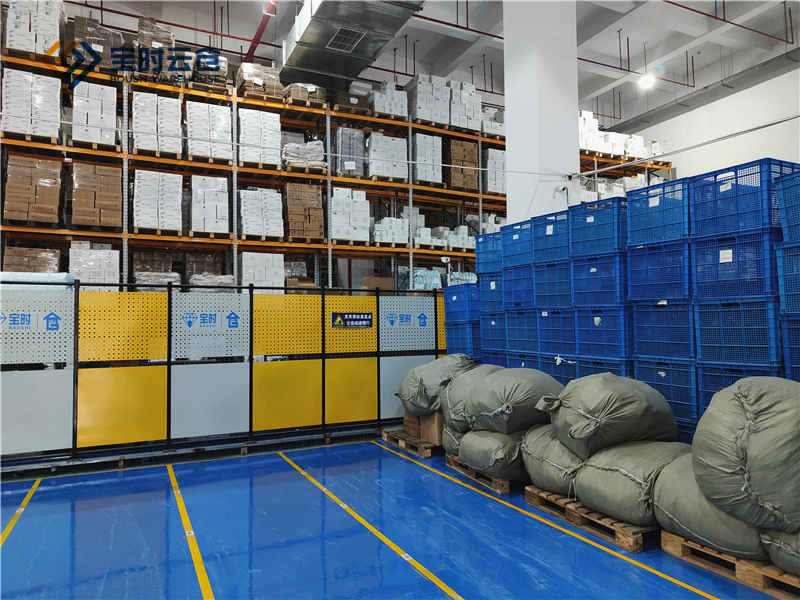
The advantage of this model is that if the service is done well, the customers are relatively stable. The disadvantage is that with the vicious competition among peers and price wars, profits are getting thinner and thinner. Some fulfillment warehouses are doing this to prevent warehouses and personnel from being idle, or even not making money.
2. Other profit models
However, some fulfillment warehouses also make money through other ways. Among them, a common method is to deal with inventory shortages, represented by discount warehouses for food that is due to expire. By selling off-stock inventory at lower prices, Fulfillment Warehouse can quickly collect funds and provide consumers with an affordable shopping experience.
In addition, there are some fulfillment warehouses that use their own supply chain advantages to provide dropshipping services for e-commerce merchants. These fulfillment warehouses have their own supply of goods, which can provide merchants with stable supply channels and help merchants solve the problems of commodity procurement and inventory management. At the same time, some fulfillment warehouses will also cooperate directly with merchants to conduct live broadcasts to help merchants sell goods, promote products through live broadcasts, and bring more sales to merchants.

In addition, some fulfillment warehouses will also use their own brand advantages to build model warehouses and attract foreign investment. By creating benchmark warehousing, fulfillment warehouses can provide brand merchants with betterProfessional warehousing and logisticsTakeservices, and expands its business scope through the franchise model to achieve large-scale operations and increase revenue. This model can not only make the fulfillment warehouse itself profitable, but also help brand merchants establish better reputation and influence in the market, achieving a mutually beneficial and win-win situation.
To sum up, the profit method of fulfillment warehouse is not single, but diverse. In addition to traditional warehousing and logistics service fees, fulfillment warehouses can also achieve profits through inventory inventory processing, supply chain services, live streaming and franchise models. As the fulfillment warehouse market continues to develop and change, I believe that more profit methods will continue to emerge in the future.
Statement: Any individual or organization shall not reprint or quote large sections of articles to websites or third-party platforms without my consent. Any unauthorized use of articles will be resolved through legal proceedings and other means!